
Diamond Grading Explained: From 4Cs to Certification

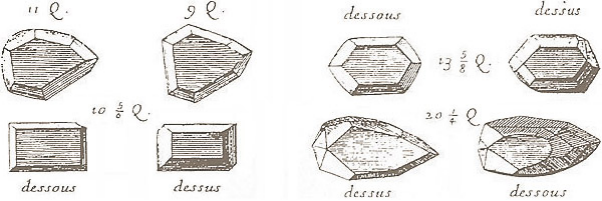
When purchasing a diamond, most people focus on sparkle and size. However, true value lies
in scientific evaluation. Diamond grading explained refers to the systematic process of
assessing a diamond’s quality based on globally accepted standards.
Grading ensures that buyers know exactly what they are purchasing. Without proper
evaluation, two diamonds that look similar may differ significantly in quality and price.
Institutions like ACGS educate professionals to maintain transparency and trust in the
diamond trade.
Why Diamond Grading Explained Protects Buyers
Imagine purchasing a diamond ring without documentation. You might rely solely on the
seller’s word. A proper grading process removes uncertainty by providing objective analysis.
This scientific approach safeguards both buyers and sellers.
Diamond Grading Explained Through the 4Cs Framework
What Are the 4Cs of Diamonds?
To understand diamond grading explained, we must first answer: what are the 4Cs of diamonds?
The 4Cs stand for:
- Cut
- Color
- Clarity
- Carat Weight
These characteristics determine a diamond’s quality and price.
Diamond 4Cs Explained in Practical Terms
Cut:
The cut determines how well a diamond reflects light. A perfectly cut diamond appears
brilliant and lively.
Color:
Diamonds are graded from D (colorless) to Z (light tint). Less color generally means higher
value.
Clarity:
Clarity refers to internal inclusions and surface blemishes. Fewer imperfections result in
higher clarity grades.
Carat Weight:
Carat measures weight. Larger diamonds are rarer and usually more expensive.
Understanding diamond 4Cs explained allows buyers to compare stones confidently.
How Diamonds Are Graded – Diamond Grading Explained Step by Step
How Diamonds Are Graded in Laboratories
Many people wonder how diamonds are graded professionally. The grading process typically includes:
1. Cleaning the diamond
2. Measuring carat weight using precision scales
3. Examining clarity under magnification
4. Assessing color under standardized lighting
5. Evaluating cut proportions and symmetry
Each step follows strict laboratory guidelines.
Technology Behind Diamond Grading Explained
Modern labs use microscopes, proportion scopes and digital imaging systems to ensure accurate results.
Students at ACGS gain hands-on experience in understanding how diamonds are graded using professional tools.
Diamond Grading Explained and the Diamond Certification Process
What Happens in the Diamond Certification Process?
The diamond certification process verifies a diamond’s characteristics and provides an official document detailing the findings.
This process includes:
- Recording 4Cs results
- Mapping inclusions
- Laser inscribing identification numbers
- Issuing a certified grading report
Why Understanding Diamond Certification Is Important
Understanding diamond certification ensures that buyers make informed decisions.
For example, a diamond advertised as high clarity may receive a lower grade upon
certification. A reliable diamond grading report eliminates confusion.
Diamond Grading Explained in the Diamond Grading Report
What Information Is Included in a Diamond Grading Report?
A diamond grading report includes:
- Carat weight
- Color grade
- Clarity grade
- Cut grade
- Fluorescence details
- Proportion diagrams
This document serves as proof of authenticity and quality.
How to Read and Interpret the Report
Buyers should carefully review:
- Cut grade for brilliance
- Clarity map for inclusions
- Color scale rating
- Symmetry and polish
Understanding diamond grading explained helps buyers interpret reports confidently.
Why Diamond Grading Explained Is Crucial for Investment
Avoiding Overpayment
Without certification, buyers may overpay for lower-quality stones.
For example, two diamonds may weigh the same, but one may have better clarity and cut. Certification highlights these differences clearly.
Long-Term Value and Resale
Certified diamonds maintain stronger resale value due to documented authenticity.
Understanding diamond grading explained protects long-term investments.
Diamond Grading Explained as a Career Opportunity
Professional Roles in Diamond Grading
Trained professionals work as:
- Laboratory gemologists
- Jewelry quality inspectors
- Certification specialists
- Independent consultants
The demand for certified graders is increasing.
Best Gemology Courses in India for Diamond Grading
Students seeking careers can explore the best gemology courses in India that include specialized modules on diamond grading.
Institutes like ACGS provide structured programs covering theoretical knowledge and practical laboratory training.
Such programs prepare students for real-world certification roles.
Common Myths About Diamond Grading Explained
Bigger Diamonds Are Always Better
Carat weight alone does not determine quality. A smaller diamond with superior cut may sparkle more than a larger poorly cut stone.
Certification Is Optional
Some believe certification is unnecessary. However, official grading ensures transparency and protects buyers.
Diamond grading explained removes confusion and promotes trust in transactions.
Frequently Asked Questions About Diamond Grading Explained
Q1. What is diamond grading explained in simple terms?
It is the scientific evaluation of a diamond’s quality based on the 4Cs and laboratory standards.
Q2. What are the 4Cs of diamonds?
They are cut, color, clarity and carat weight.
Q3. How diamonds are graded professionally?
They are examined under magnification and tested using specialized instruments in controlled conditions.
Q4. What is included in a diamond grading report?
It includes detailed analysis of the 4Cs and additional characteristics.
Q5. Why is understanding diamond certification important?
It ensures transparency and protects buyers from misrepresentation.
Q6. Where can I learn professional diamond grading?
Institutions like ACGS offer recognized training programs aligned with industry standards.
Conclusion – Diamond Grading Explained for Confident Decisions
Understanding diamond grading explained empowers both buyers and aspiring professionals.
From diamond 4Cs explained to the diamond certification process, every step ensures clarity, authenticity and trust in the gemstone market.
Whether you are purchasing a diamond or planning a professional career, proper knowledge and certified education are essential.With expert training from ACGS, individuals can develop strong expertise and contribute to a transparent and thriving gem industry.

 Courses
 Coloured Stones / Gemology Courses
 Corporate Programmes
 Diamonds Courses
 Gem-A Program
 Jewelry Courses
 Pearls Courses
 Workshop
 International Courses
 Gem Store
 Gemological Laboratory Services